
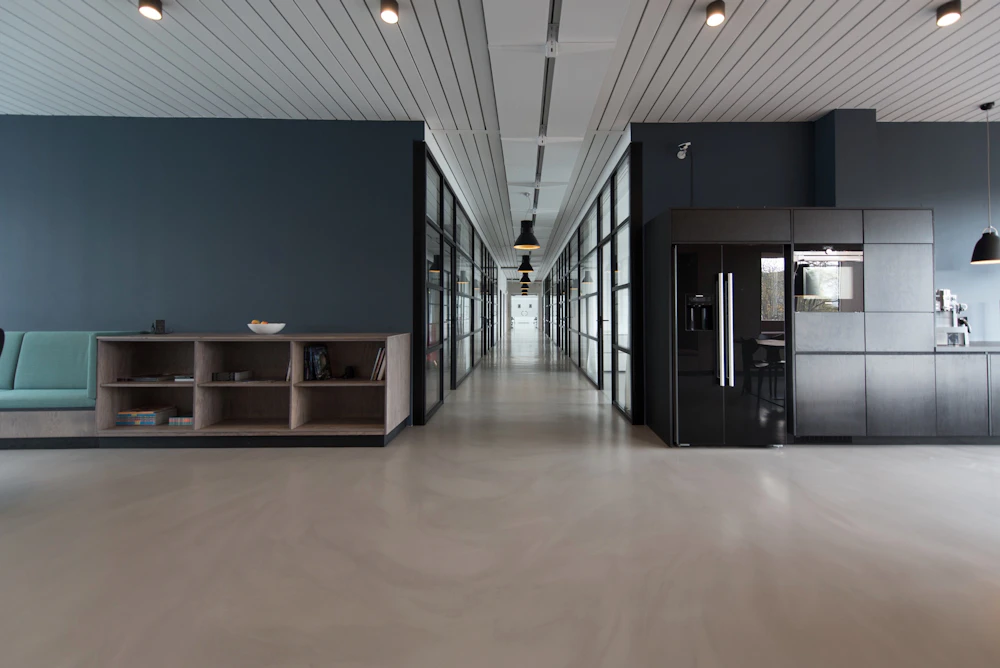
Architecture is at its most compelling when it connects a strong idea with the realities of place. Materials, climate, memory, movement, and daily use can matter more than visual spectacle. Why renovation and transformation are becoming central to architectural imagination.
In A Future Built From What Already Exists, the question is not what the future should look like from a distance, but how why renovation and transformation are becoming central to architectural imagination. can become part of ordinary life. That distinction matters: the most useful ideas are the ones people can understand, live with, maintain, and eventually make their own.
Context before spectacle
A building gains meaning when it responds to what surrounds it. Scale, orientation, material language, public edges, and the history of a site all provide opportunities for architecture to belong.
When considered through the lens of a future built from what already exists, this becomes a question of priorities rather than decoration.
For Neura, the interesting part is how this connects with place, structure, material, movement, and the long relationship between a building and its occupants. A successful approach does not ask people to become different people overnight. Instead, it makes a better choice easier to notice, easier to use, and easier to keep. This is especially important when a project is intended to last for years rather than perform for a single photograph.
In practice, that means paying attention to the details around the headline idea: where materials meet, how circulation works, what can be repaired, how a space changes between morning and evening, and whether the experience remains generous when conditions are less than perfect. These details are rarely the loudest part of a project, but they often determine whether an idea has lasting value.
Buildings that can change
Long-lived architecture benefits from allowing future uses. Clear structural logic, adaptable rooms, generous circulation, and reversible interventions can make a building useful for longer.
The same principle becomes especially visible when we look at why renovation and transformation are becoming central to architectural imagination..
For Neura, the interesting part is how this connects with place, structure, material, movement, and the long relationship between a building and its occupants. A successful approach does not ask people to become different people overnight. Instead, it makes a better choice easier to notice, easier to use, and easier to keep. This is especially important when a project is intended to last for years rather than perform for a single photograph.
In practice, that means paying attention to the details around the headline idea: where materials meet, how circulation works, what can be repaired, how a space changes between morning and evening, and whether the experience remains generous when conditions are less than perfect. These details are rarely the loudest part of a project, but they often determine whether an idea has lasting value.
The value of thresholds
Entrances, porches, courtyards, stairs, terraces, and shaded edges create moments between public and private life. These spaces often become the emotional signature of a building.
For a future-focused reader, the important detail is how this idea behaves over time.
For Neura, the interesting part is how this connects with place, structure, material, movement, and the long relationship between a building and its occupants. A successful approach does not ask people to become different people overnight. Instead, it makes a better choice easier to notice, easier to use, and easier to keep. This is especially important when a project is intended to last for years rather than perform for a single photograph.
In practice, that means paying attention to the details around the headline idea: where materials meet, how circulation works, what can be repaired, how a space changes between morning and evening, and whether the experience remains generous when conditions are less than perfect. These details are rarely the loudest part of a project, but they often determine whether an idea has lasting value.
Material honesty
Materials communicate through texture, weight, color, weathering, and construction detail. When their qualities are allowed to remain visible, buildings can develop a stronger sense of permanence.
That long view is where the subject becomes more than a visual trend.
For Neura, the interesting part is how this connects with place, structure, material, movement, and the long relationship between a building and its occupants. A successful approach does not ask people to become different people overnight. Instead, it makes a better choice easier to notice, easier to use, and easier to keep. This is especially important when a project is intended to last for years rather than perform for a single photograph.
In practice, that means paying attention to the details around the headline idea: where materials meet, how circulation works, what can be repaired, how a space changes between morning and evening, and whether the experience remains generous when conditions are less than perfect. These details are rarely the loudest part of a project, but they often determine whether an idea has lasting value.
Architecture as a long conversation
A building is never finished in the cultural sense. People occupy it, modify it, repair it, and reinterpret it. Good architecture leaves room for that ongoing relationship.
The result is a design language that feels contemporary without depending on novelty.
For Neura, the interesting part is how this connects with place, structure, material, movement, and the long relationship between a building and its occupants. A successful approach does not ask people to become different people overnight. Instead, it makes a better choice easier to notice, easier to use, and easier to keep. This is especially important when a project is intended to last for years rather than perform for a single photograph.
In practice, that means paying attention to the details around the headline idea: where materials meet, how circulation works, what can be repaired, how a space changes between morning and evening, and whether the experience remains generous when conditions are less than perfect. These details are rarely the loudest part of a project, but they often determine whether an idea has lasting value.
What to look for
Readers can use a future built from what already exists as a practical lens when evaluating a new space, object, building, or neighborhood. Look for decisions that make the experience clearer, more adaptable, more durable, or more generous. Ask what happens after the first impression: Can the idea be maintained? Can it accommodate change? Does it improve a real ritual? And does its visual language come from a meaningful decision or simply from fashion?
Signals of a thoughtful approach
- Adaptability: the idea can respond to changing needs without becoming complicated.
- Longevity: materials, forms, and decisions are intended to remain useful beyond a short trend cycle.
- Human scale: the experience works for real routines, different bodies, and different rhythms of life.
- Clarity: the design communicates its purpose without unnecessary visual noise.
- Care: maintenance, repair, reuse, and future change are treated as part of the original idea.
“The future feels most convincing when it makes everyday life more considered, not more complicated.”
— Adrian Cole, Neura
The Neura perspective: A Future Built From What Already Exists is ultimately about making room for better choices. The future does not arrive as one finished style. It is built gradually through the spaces we inhabit, the things we keep, the materials we choose, and the ways we decide to share the world around us.
Conversation
Join the discussion and share your thoughts with the collective.